Mon, Tue, Thu: 08:00-17:00 · Wed, Fri: 08:00-12:00
← Back to Infusion Therapy
Infusion Therapy · Drip Spa

Drip Spa – Tailored Vitamin Infusions

Vitamins, trace elements, minerals and amino acids to strengthen you from within.

Drip Spa

What is Drip Spa?

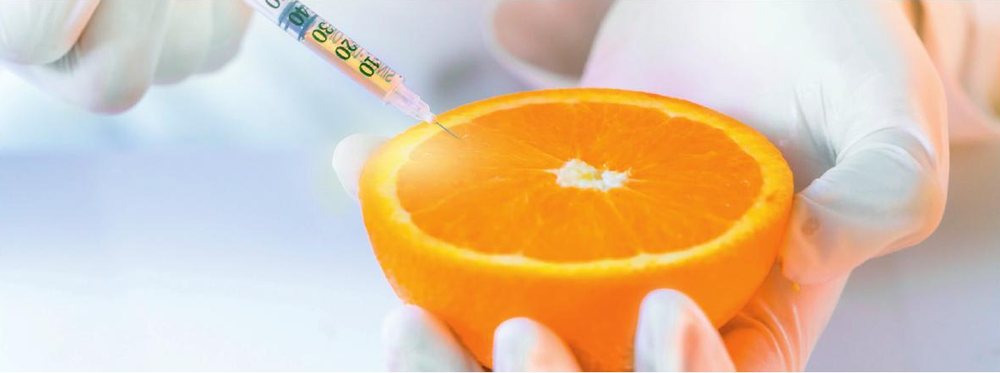
In many of the world’s major cities, such as Singapore, Dubai, Los Angeles or London, vitamin infusions to support the wellbeing of healthy people have long been established. In so-called “drip spas”, alongside other beauty treatments, you can treat yourself to an intravenous cocktail of minerals and vitamins. The term comes from the English word “drip” and “spa”, the umbrella term for wellness facilities.

These infusions are becoming increasingly popular in Germany too, not least because their possible applications for healthy people are almost unlimited.

The aim of the infusions is to replenish nutrient stores and strengthen the body’s own metabolic processes in a preventive way. Restorative infusions, which until now were often used only in a therapeutic setting, can also do healthy people good and have a protective effect.

This is exactly where Drip Spa comes in: vitamins, trace elements, minerals and amino acids to strengthen you from within!

The advantages of Drip Spa infusions

Tailored drips and their areas of use

In aesthetic medicine, infusion solutions are often given as support after a hyaluronic acid treatment, to provide the skin with optimal moisture afterwards. Special amino acid blends such as the Beauty Drip can refine the complexion from within and promote hair and nail growth. Combining external treatments with the infusion can optimise the results even further.

The Perfect Age Drip offers a very special combination of active ingredients. It contains many antioxidant ingredients and can thus slow down the ageing process caused by oxidative stress and daily environmental influences.

It is not only in aesthetics that these “vitamin cocktails”, as they are called in the USA, have a wide range of uses. In amateur and professional sport, infusions can contribute to optimal supplementation, for example for strength athletes or to support CrossFit training. In endurance sports such as marathon running or triathlon, electrolyte solutions can be given to counteract the loss of important minerals. In professional sport, the guidelines of NADA (the German National Anti-Doping Agency) must of course be observed.

Strengthening your defences

In autumn and winter, infusions with immune-relevant micronutrients such as vitamin C or special amino acid blends, which support the immune system against viral infections, are also popular.

And for stressful times, such as before an exam or an important meeting, there are so-called “manager infusions”, whose nootropic ingredients can optimise concentration and mental performance.

Isn’t a healthy diet enough?

A healthy diet is indispensable and forms the basis of a healthy metabolism. However, we should not underestimate the challenges that today’s stress levels pose for our body and its resources. There is often no time to prepare fresh meals and to fit in the five portions of fruit and vegetables a day recommended by the German Nutrition Society. Restful sleep, and with it recovery time, also often falls short on packed days. On top of this come environmental pollutants, exhaust fumes and self-chosen toxins such as alcohol or cigarette smoke. The result is large amounts of free radicals and too few protective substances such as antioxidants, secondary plant compounds and the body’s own detoxifying substances.

Vitamin-Infusion

In the treatment of illness, the use of high-dose micronutrients as infusion therapy has already become well established. Targeted intravenous administration of vitamin C, for example, helps to maintain the healthy function of the immune system and thus prevent infections, and selenium helps to reduce the side effects of cancer therapies.

But intervening can also make sense before a manifest deficiency occurs. The infusion blends can be used both in prevention and in the treatment of metabolic disorders, because the active ingredients enter the bloodstream immediately, bypassing the first-pass effect, and are transported from there quickly and effectively to the target cell. Deficiencies at cellular level can thus be corrected without delay.

Drip Spa infusions are not a question of necessity. After all, which fuel I put in my car is up to me as the consumer. The car will usually run either way, but how long the engine lasts and how quickly “signs of wear” appear is another matter. So everyone can decide for themselves whether to treat themselves to an extra portion of vitamins and minerals intravenously, with the advantage of 100% absorption.

Drips for different needs

Beauty Drip – skin and complexion
1 / 6

Beauty Drip

Full hair, a healthy complexion and strong nails are considered essential to today’s definition of beauty. To give the skin new suppleness and firmness and to promote strong hair structure, certain micronutrients can be used in a targeted way alongside suitable skincare, exercise and a balanced diet. The most important amino acids for collagen synthesis, improved circulation and sulphur-containing substances play a major role here.

Strengthening collagen fibres

The basic structural protein of our skin is collagen, which consists of individual collagen fibres. These fibres are in turn made up of three peptide strands twisted into a triple helix. The amino acid sequence of the three peptide chains is almost identical in each case and always begins with glycine, strikingly often followed by hydroxylated proline and lysine. With glycine, proline and lysine we therefore provide the basic building blocks for forming new collagen fibres. Vitamin C acts as the main cofactor for this process, along with oxygen, iron and alpha-ketoglutarate. Using the basic amino acid L-arginine leads to systemic vasodilation via the synthesis of nitric oxide. Both the skin tissue and the hair roots receive better blood flow and are thus optimally supplied with micronutrients. Studies have also shown that L-arginine can raise hydroxyproline levels and thereby increase the collagen fibre content – it acts, so to speak, as a collagen booster.

Supporting keratin structure

Another well-known structural protein associated with firmness and strength is keratin. It is the main component of hair and nails and gets its stability from disulphide bridges, which form mainly between cysteine residues. L-methionine is the natural precursor of L-cysteine and thus contributes to the formation of break-resistant hair and nails. Taurine not only also provides sulphur groups but, as a strong antioxidant, protects blood vessels and lipid structures against peroxidation and detoxifies the body of radicals such as hypochlorite. Biotin, also known as vitamin H, supports both the energy metabolism of keratinocytes and the incorporation of sulphur-containing amino acids into hair root cells, thus promoting healthy hair growth.
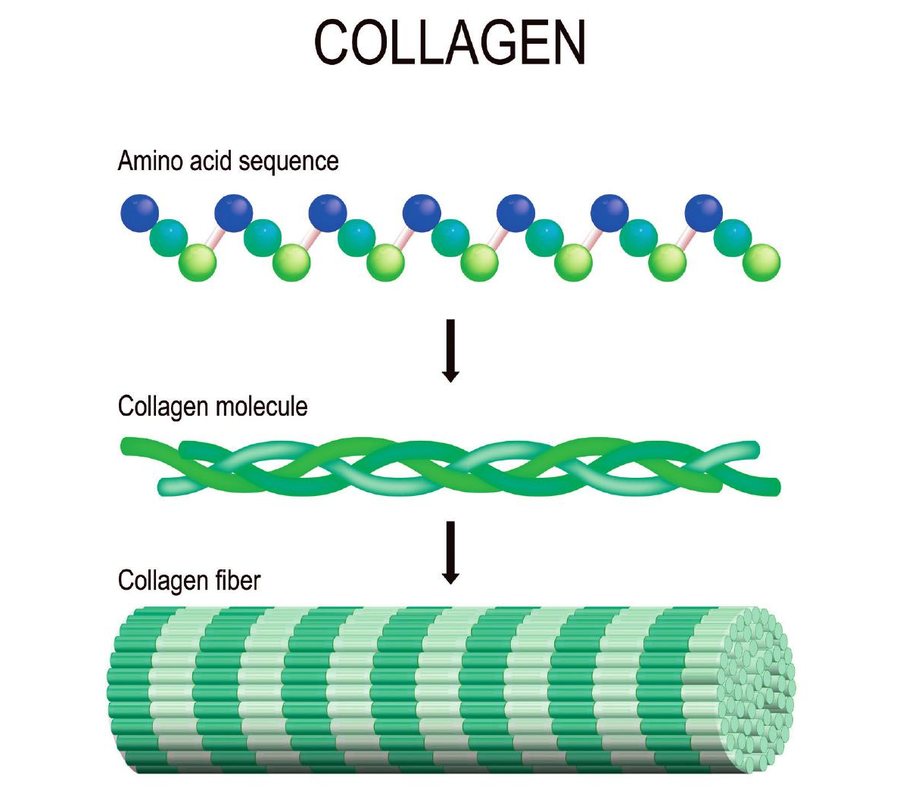
Collagen structure: amino acid sequence, collagen molecule, collagen fibre
Perfect Age Drip – skin ageing and collagen
2 / 6

Perfect Age Drip

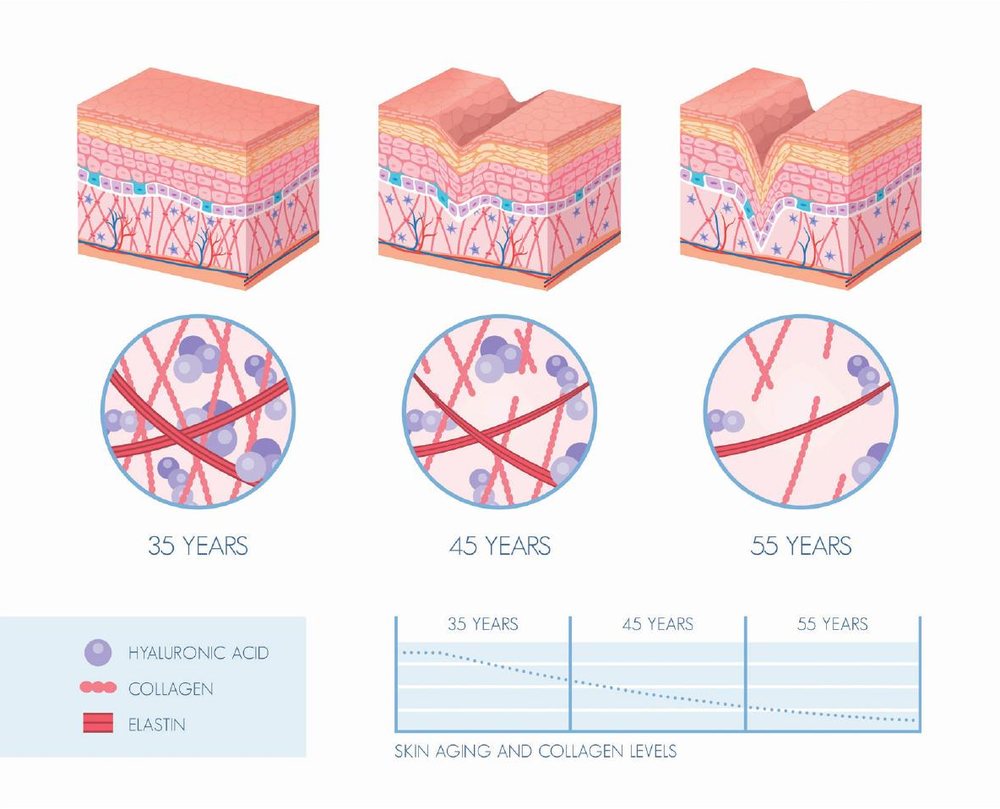
Supplying our cells with antioxidants and important micronutrients can promote a healthy ageing process. Mature skin needs special attention and support so that it does not lose elasticity and firmness. By specifically replenishing building materials such as L-proline and L-lysine, collagen synthesis can be supported and the skin can age optimally. The Perfect Age infusion combines all the necessary amino acids and micronutrients to support cell regeneration and a perfect ageing process.

Promoting circulation

L-arginine is not only one of the most important amino acids for our immune system, it can also increase the release of growth hormones and thereby contribute to cell regeneration. As the precursor of the neurotransmitter NO, L-arginine widens the blood vessels and thus promotes blood flow and oxygen supply to our organs. In combination with citrulline, ornithine and aspartic acid, the amino acid stimulates the liver to detoxify ammonia.

Detoxification and antioxidants

Glycine is an integral component of the tripeptide glutathione and thus also supports the detoxification processes of our liver. Taurine is known for both its antioxidant and anti-inflammatory properties. This amino-acid-like substance reduces TNF-α production by macrophages. L-carnosine is a dipeptide of the two amino acids L-histidine and β-alanine. It has a pronounced antioxidant effect and is also frequently used for its detoxifying properties against aldehydes and heavy metals. In the anti-ageing field in particular, L-carnosine is truly hyped: it is hoped to increase skin elasticity and firmness, extend cell lifespan and reduce the glycation of collagen fibres.

Building collagen fibres

L-lysine and L-proline are both important substrates of collagen synthesis. Both amino acids appear strikingly often in the sequence of the peptide strand. As precursors of hydroxyproline and hydroxylysine, they also ensure the structure and stability of the collagen fibres.

Positive influence on neurotransmitter balance

N-acetyl-L-tyrosine is the water-soluble form of L-tyrosine and is used to synthesise the neurotransmitters dopamine, noradrenaline and adrenaline. The amino acid therefore has mood-enhancing effects and increases mental alertness. As a substrate for the body’s natural thyroid hormone production, it can also contribute to perfect ageing. L-methionine is activated in the body to S-adenosylmethionine, an important methyl group donor. The methyl groups are used above all to form neurotransmitters such as acetylcholine and melatonin. These neurotransmitters have strong anxiolytic and antidepressant effects or, in the case of melatonin, antioxidant and anti-ageing effects.

Protect Drip – vitamin C
3 / 6

Protect Drip

A strong immune system is essential for fighting off pathogens. Especially in the cold winter months, our defences have to work particularly efficiently to protect us from infections. Factors such as an unbalanced diet, lack of sleep or everyday stress weaken our defences and prevent the body from responding optimally to viruses and bacteria. Certain micronutrients can support the immune system in a targeted way and protect the body from within against external influences.

Strengthening immune cells

Vitamin C is a real immune booster: it activates the body’s own defences and protects the body’s cells as an antioxidant. Ascorbic acid has a major influence on the immune cells in the body: it protects the phagocytes against oxidation and thus extends their lifespan. At the same time, the activity of various immune cells (neutrophils, eosinophils and monocytes) increases, leading to a stronger and faster immune response on contact with antigens. Vitamin C also increases antibody production, so that specific defence can take place more quickly. L-lysine, like no other amino acid, can strengthen the immune system during viral infections. It has antiviral properties and is used especially for frequent herpes infections. At the same time, the amino acid is needed for the synthesis of collagen and elastin and thus for wound healing and the building of skin, vessel walls and tendons. L-carnitine contributes to activating the body’s own defences. It does this through increased lymphocyte proliferation, increased phagocytic activity of natural granulocytes and monocytes, and increased activity of natural killer cells.

Detoxification and antioxidants

L-arginine has many positive effects on human metabolism. It activates macrophages and natural killer cells and thereby improves the immune response. The amino acid also has protective properties for the cardiovascular system through its circulation-promoting and blood-pressure-lowering effect. In combination with L-citrulline, L-ornithine and L-aspartic acid, the amino acid stimulates the liver to detoxify ammonia. Taurine is an amino acid derivative that detoxifies cells of free radicals and protects them against oxidative damage. Taurine stimulates the immune system by increasing the activity of natural killer cells and the release of interleukin-1 from macrophages. L-methionine supports the detoxification of foreign substances directly through conversion to L-cysteine and as a precursor of glutathione. As a precursor of glutathione, it also protects cells against oxidative damage. L-carnosine is an immunomodulating amino acid that can regulate macrophage activity. The antioxidant effect of L-carnosine protects the cell against oxidative stress, radicals and membrane damage.

Relax Drip – nervous system
4 / 6

Relax Drip

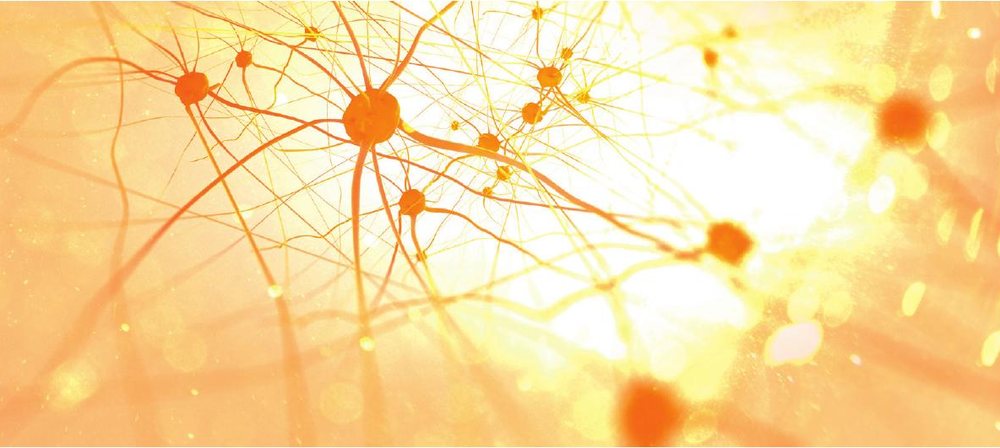
Getting out of everyday life, finding a moment of calm, taking a deep breath – we wish for this all too often and yet do not always find the time. Even when lying in bed at night, thoughts often keep turning and the events of the day will not let go. To create the best conditions for physical and mental relaxation, certain micronutrients can be used specifically to activate our “rest nerve”, the parasympathetic nervous system, as balancing messenger substances and to increase the formation of the happiness hormone serotonin.

Bringing neurotransmitters into balance

Today’s constant stimulation of the sympathetic nervous system often throws the autonomic nervous system out of balance, so that a short-term activation of the parasympathetic system through choline citrate, and the acetylcholine formation this induces, can also have longer-term effects. Acetylcholine acts as a neurotransmitter in the parasympathetic nervous system at both the first and the second synapse. The motto “rest and digest” describes the effects of the parasympathetic system very well: saliva secretion and gut motility are stimulated, breathing becomes deeper and the heart rate slower. The amino acid L-tryptophan is the precursor of the messenger serotonin and can therefore have a positive influence on mood, pain perception and the sleep-wake rhythm.

Balancing and detoxifying

Glycine and taurine are both inhibitory neurotransmitters, which means they have a calming and balancing effect. Taurine also modulates neuronal conduction and signal transmission in the brain and has a strong antioxidant effect. Glycine promotes detoxification as a component of glutathione, the body’s strongest detoxifying substance, and has a buffering effect on excessive stomach acid production.

Lowering blood pressure and protecting nerve cells

The minerals potassium and magnesium are part of mitochondrial energy metabolism and regulate the acid-base balance in the blood. As a physiological calcium antagonist, magnesium regulates the tone of the vascular muscles and lowers blood pressure. By shielding nerve cells from overstimulation by glutamate, it acts as a kind of protective shield against excessive stress for the nerve cells.

Metabolic pathway from L-tryptophan via serotonin to melatonin
Detox Drip – liver
5 / 6

Detox Drip

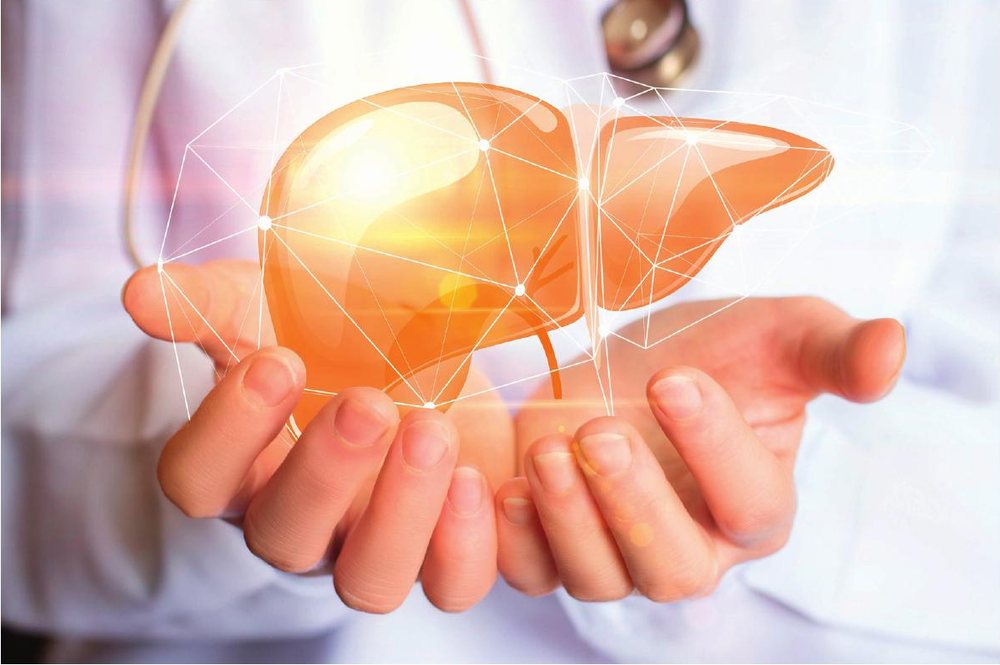
Freeing yourself from unnecessary ballast to bring more lightness into your life can also be applied to your body. Certain micronutrients are essential for the optimal function of the body’s own detoxification processes, and the administration of amino acids and antioxidants supports the body in detoxifying and eliminating accumulated pollutants.

Liver detoxification, phases I and II

Foreign toxins (environmental toxins, medications) are first functionalised in phase I by oxidation, reduction or hydrolysis with the help of enzymes of the CYP family. This mainly produces hydrophilic metabolites, which may be even more reactive than the original substances. That is why the first phase is also referred to as “toxification”. Normally, phase II of detoxification therefore follows immediately. The metabolites from phase I are conjugated with glutathione, glucuronic acid, L-methionine and glycine and thus detoxified. Together with L-cysteine, the two amino acids L-glutamine and glycine form the tripeptide L-glutathione and thus support the detoxification processes of our liver. Reduced glutathione also protects very effectively against free oxygen radicals by transferring an electron to the radical species itself and neutralising it.

Use of antioxidants and detoxification of ammonia

The antioxidants taurine and L-carnitine neutralise free radicals and thus protect us against cell damage and premature ageing. The amino acids L-arginine, L-ornithine, L-citrulline and L-aspartic acid stimulate the conversion of ammonia into urea in the liver cells. Ammonia, a strong cell toxin, is produced in quantities of up to 5 g a day during the metabolism of dietary protein in the large intestine and can cross the blood-brain barrier and cell membranes.

Maintaining the gut barrier and binding pollutants

L-glutamine helps maintain a healthy intestinal lining, enabling targeted exchange of substances while preserving its protective barrier function. Pathogenic germs and pollutants bounce off the mucosal wall and are excreted as quickly as possible. L-lysine also supports the body’s immune function through its antiviral effect and can bind the heavy metal lead and contribute to its detoxification.

Vital Drip – mitochondrion
6 / 6

Vital Drip

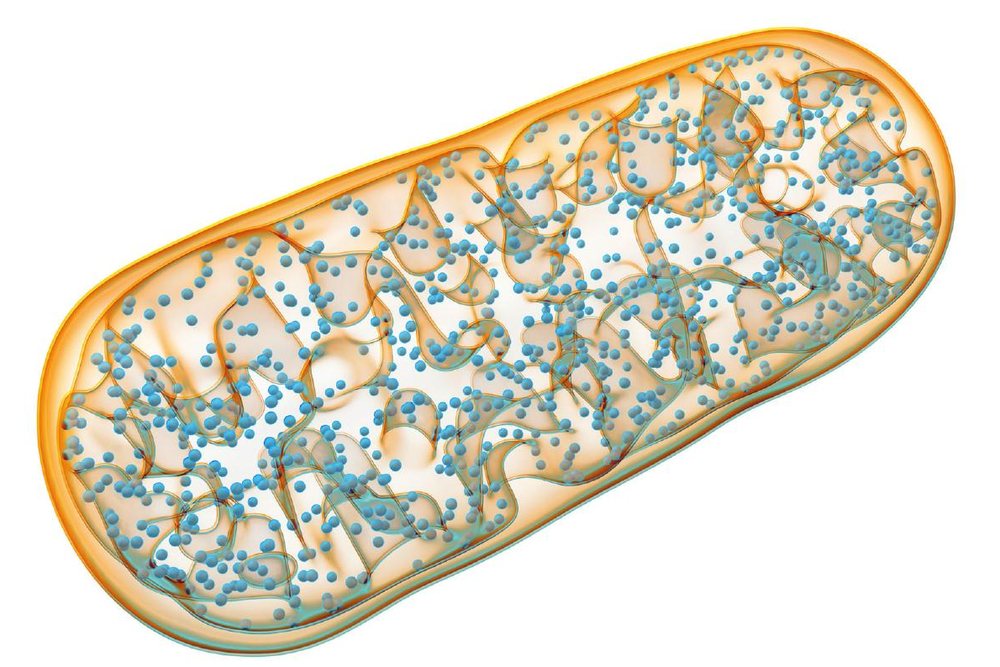
We all know those phases when one event follows the next, an important meeting has to be prepared at work and the family demands more attention at the same time. Who would not wish for an energy boost for themselves and their cells in such situations? Building blocks for our activating neurotransmitters and cofactors for energy production in our mitochondria can be used in a targeted way here to increase vitality and energy. Combined with balancing substances that promote regeneration and stimulate the formation of the happiness hormone serotonin, even the most intense times can be tackled with a little more ease.

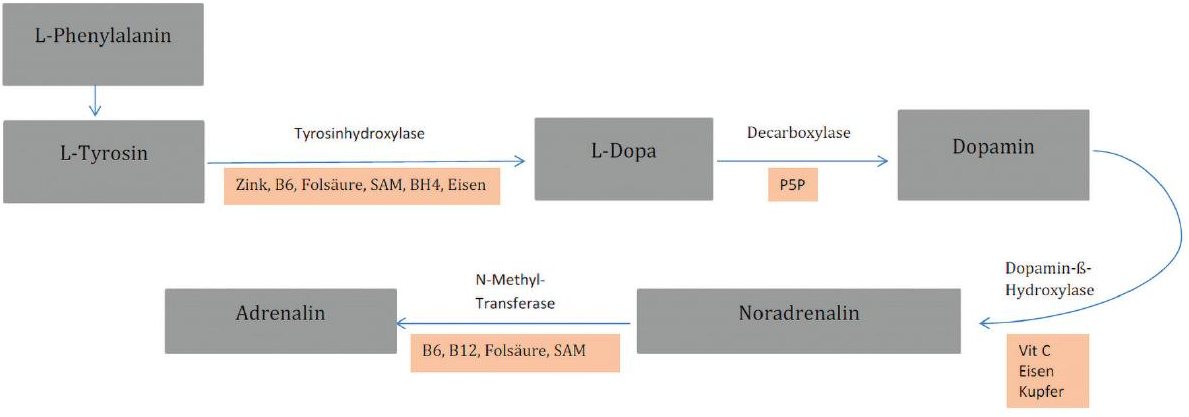
Supporting catecholamine formation

In the activating part of our autonomic nervous system, the sympathetic nervous system, the most important neurotransmitter for signal transmission at the target organ is noradrenaline. It is therefore responsible for mediating many bodily functions that increase performance: widening of the bronchi, improved blood flow to the muscles and an increase in heart rate. Together with adrenaline and dopamine, it belongs to the catecholamines, a group of messenger substances that play an important role above all in the stress response. As precursors for their formation, L-phenylalanine and N-acetyl-L-tyrosine can increase mental alertness and have mood-enhancing effects.

Boosting energy production and heart strength

The decisive steps of our energy production – the citric acid cycle and the respiratory chain – take place in and on the mitochondria, the power plants of our cells. B vitamins are involved in many of these reactions as cofactors and keep the continuous conversion of glucose into ATP going. Thiamine (B1) channels pyruvate into the citric acid cycle; riboflavin (B2) and nicotinamide (B3), as precursors of the reducing equivalents NADH/H+ and FADH2, are essential for building the proton gradient of the respiratory chain; and panthenol (B5) is itself part of the important carrier molecule coenzyme A. Adenosylcobalamin, the active form of B12, supplies a building block of ATP directly with its adenosyl residue. As the body’s energy currency, ATP can be used in almost all cellular processes. L-carnitine also enables fatty acids to be transported into the mitochondria and used effectively for energy production via β-oxidation. L-carnitine therefore not only supplies the heart muscle’s preferred energy source but also improves its stress tolerance. Taurine additionally improves heart strength and makes the heart work more economically during endurance sports. Both substances protect the heart muscle against free radicals.

Promoting regeneration and circulation

As the precursor of the neurotransmitter serotonin, L-tryptophan can not only have a positive influence on mood and pain perception but also increase stress tolerance. In the pineal gland, melatonin is formed from serotonin as darkness increases, which controls the sleep-wake rhythm and brings on tiredness. In combination with the calming neurotransmitter glycine, an effective recovery phase is encouraged. Through the release of the signalling molecule NO, the amino acid L-arginine widens the blood vessels and, by lowering blood pressure, also has a calming effect.

Formation of catecholamines from L-phenylalanine and L-tyrosine

Biochemical properties

The ingredients of the drips and their functions at a glance. Tap a substance to expand it.

Amino acids

Glycine
  • Component of glutathione (glycine, glutamine, cysteine)
  • Cell protection as an antioxidant
  • Supports detoxification processes in the liver (elimination of metabolic products)
  • Stimulates collagen synthesis – firmer skin and hair
  • Calming effect as an inhibitory neurotransmitter
  • Buffering effect on excessive stomach acid
L-arginine
  • Improves the cellular immune response
  • Release of hormones (e.g. growth hormones)
  • Improved blood flow through vasodilation – better supply of the hair roots with important micronutrients
  • Supports memory function
  • Indirect calming effect through vasodilation and the associated reduction in blood pressure
  • Liver protection and support of liver detoxification through the breakdown of ammonia into urea (together with L-ornithine, L-citrulline and L-aspartic acid)
L-carnitine
  • Supports fatty acid metabolism by transporting long-chain fatty acids into the mitochondria
  • Essential for energy production
  • Improves the stress tolerance of the heart muscle
  • Stabilises heart muscle cells
  • Detoxification of metabolic products from the mitochondria
  • Regeneration of coenzyme A
  • Stabilises biomembranes such as red blood cell membranes
  • Strengthens the body’s defences through increased lymphocyte proliferation
  • Stimulates glucose utilisation
  • Cell differentiation and apoptosis
  • Regulating effects on the lipid profile
L-carnosine
  • Antioxidant, inhibits the production of (oxygen-free) radicals
  • Membrane-protective – protection against lipid peroxidation
  • Binding and elimination of heavy metals
  • Scavenging of hydroxyl radicals and reactive aldehydes
  • Prevents the cross-linking of beta-amyloid (main cause of Alzheimer’s disease)
  • Increases the lifespan of cells
  • Modulates neuronal conduction and signal transmission in the brain (especially hearing, speech, movement and socialisation)
L-citrulline
  • Detoxification of ammonia in the liver together with L-arginine, L-ornithine and L-aspartic acid
L-methionine
  • Protein biosynthesis, anabolic metabolism
  • Stimulates the homocysteine cycle
  • As a precursor of S-adenosylmethionine, a methyl group donor: biosynthesis of L-carnitine, phospholipids (choline), creatine, nucleic acids (thymine), neurotransmitters and melatonin
  • Improves the structure of hair and nails by forming sulphur-group chains
  • Synthesis of cysteine
L-ornithine
  • Enhances immune function
  • Detoxification of ammonia in the liver together with L-arginine, L-citrulline and L-aspartic acid
L-phenylalanine
  • Mood-enhancing effect through the formation of the neurotransmitters dopamine, adrenaline and noradrenaline
  • Conversion to L-dopa
  • Pain-relieving effect
L-tryptophan
  • Precursor of serotonin
  • Mood, regulation of affectivity, sleep-wake rhythm, pain perception
  • Protein biosynthesis, formation of niacin and tryptamine
  • Biosynthesis of the coenzymes NAD+/NADH, NADP+/NADPH (respiratory chain)
  • Production of picolinic acid: improved zinc absorption
N-acetyl-L-tyrosine
  • Precursor of L-dopa, dopamine, noradrenaline, adrenaline
  • Increases mental alertness as a precursor of noradrenaline
  • Mood-enhancing effect as a precursor of dopamine
  • Synthesis of thyroid hormones
  • Required to build endorphins (common structure of alpha-, beta- and gamma-endorphins: tyrosine-glycine-phenylalanine)
L-lysine
  • Enhances immune function through its antiviral properties
  • Inhibits the uptake of L-arginine, which herpes viruses need to replicate
  • Promotes wound healing
  • Strengthens and protects blood vessels
  • Stimulates collagen synthesis – firmer skin and hair
L-proline
  • Together with glycine and L-lysine, a main component of collagen fibres
  • Essential for the synthesis and repair of joints, tendons, bones, cartilage, skin and vessel walls
  • Supports the healing of injuries, ulcers, burns and other tissue damage
Taurine
  • Antioxidant effect
  • Calming effect as an inhibitory neurotransmitter
  • Stimulates the body’s defences
  • Modulates neuronal conduction and signal transmission in the brain
  • Anti-inflammatory effect by reducing TNF-alpha production by macrophages
  • Provides sulphur groups – improved hair structure

Vitamins

Adenosylcobalamin (vitamin B12)
  • Active form of vitamin B12 in the mitochondrion
  • Building block of ATP – energy production
  • Promotes cellular detoxification
  • Supports the breakdown of fatty acids
  • Required for the formation of red blood cells in the bone marrow
  • Supports protein synthesis and thus growth, as well as DNA and RNA synthesis
  • Detoxification in nitrosative stress
Biotin
  • Promotes the energy metabolism of keratinocytes
  • Incorporation of sulphur into hair and nails
  • Key function in mitochondrial metabolism
D-panthenol (vitamin B5)
  • Component of coenzyme A (acyl group carrier)
  • Involved in mitochondrial energy metabolism (respiratory chain)
  • Build-up and breakdown of carbohydrates, fatty acids and amino acids
  • Steroid hormone synthesis (adrenal cortex and sex hormones)
  • Synthesis of vitamin A, acetylcholine, melatonin, taurine, coenzyme Q10
  • Promotes wound healing
Hydroxocobalamin (vitamin B12)
  • Storage form of vitamin B12 in the liver (depot)
  • Detoxification in nitrosative stress
Methylcobalamin (vitamin B12)
  • Active form of vitamin B12 in the cytosol
  • Supplies methyl groups (nerve function, formation of adrenaline and melatonin, detoxification)
  • Essential for building the myelin sheaths of nerves, which protect them and enable fast transmission of nerve impulses
  • Provides tetrahydrofolic acid, the metabolically active form of folic acid
  • Supports the breakdown of fatty acids
  • Supports protein synthesis and thus growth, as well as DNA and RNA synthesis
Nicotinamide (vitamin B3)
  • Precursor of NAD+, NADP+
  • Involved in mitochondrial energy metabolism (respiratory chain)
  • Cell protection as an antioxidant
  • Build-up and breakdown of carbohydrates, fatty acids and amino acids
  • Steroid hormone synthesis (adrenal cortex and sex hormones)
  • DNA replication
  • Enhances immune function (maturation of granulocytes and monocytes)
  • Blood sugar regulation
Pyridoxine (vitamin B6)
  • Nervous system: conduction of stimuli, neurotransmitter biosynthesis, antinociceptive
  • Homocysteine detoxification (formation of glutathione and methyl groups)
  • Steroid hormone synthesis (adrenal cortex and sex hormones)
  • Improved immune competence through the production of macrophages, NK cells and antibodies
Riboflavin-5-phosphate (vitamin B2)
  • Active form of vitamin B2
  • Formation of the flavin coenzymes (FAD) for the mitochondrial respiratory chain
  • Pacemaker in mitochondrial energy metabolism (respiratory chain, cofactor of complexes I and II)
  • Detoxification of xenobiotics
  • Enhances immune function
  • Coenzyme for activating folic acid (homocysteine cycle)
  • Haematopoiesis
  • Synthesis of adrenaline, thyroid hormones and sex hormones
  • Cell protection as an antioxidant: reduction of oxidised glutathione
Thiamine (vitamin B1)
  • Pacemaker in mitochondrial energy metabolism (carbohydrates)
  • Inhibits AGE formation
  • Nervous system: conduction of stimuli, neurotransmitter metabolism, antinociceptive
  • Enhances immune function

Minerals

Calcium
  • Signal transmission in the nervous system
  • Stabilises cell membranes
  • Required for muscle contraction
Potassium
  • Mitochondrial energy metabolism: involved in the formation of ATP
  • Most important intracellular cation
  • Excitation of nerve and muscle cells
  • Cardiac energy metabolism
  • Blood pressure regulation
  • Regulation of acid-base balance
  • Insulin metabolism, cellular glucose transport
Magnesium
  • Mitochondrial energy metabolism: involved in the formation of ATP
  • Cardiac energy metabolism
  • Blood pressure regulation
  • Regulation of acid-base balance
  • Insulin metabolism, cellular glucose transport
  • Excitation of nerve and muscle cells
  • Hormone and neurotransmitter balance: regulation of cellular signal transmission
  • Release of hormones and neurotransmitters
  • Involved in bone mineralisation

Safe and medically supervised

In general, infusions may only be administered by doctors or licensed naturopaths. A detailed medical history beforehand and ruling out possible contraindications greatly minimise the risk of side effects.

We will discuss which drip suits you in a personal medical consultation. If you have existing complaints or illnesses, you will find further information under Infusion Therapy.

Which drip is right for you?

Book an appointment and we will advise you personally.

Book Appointment